Warsh suggested AI could disrupt jobs at Fed conference
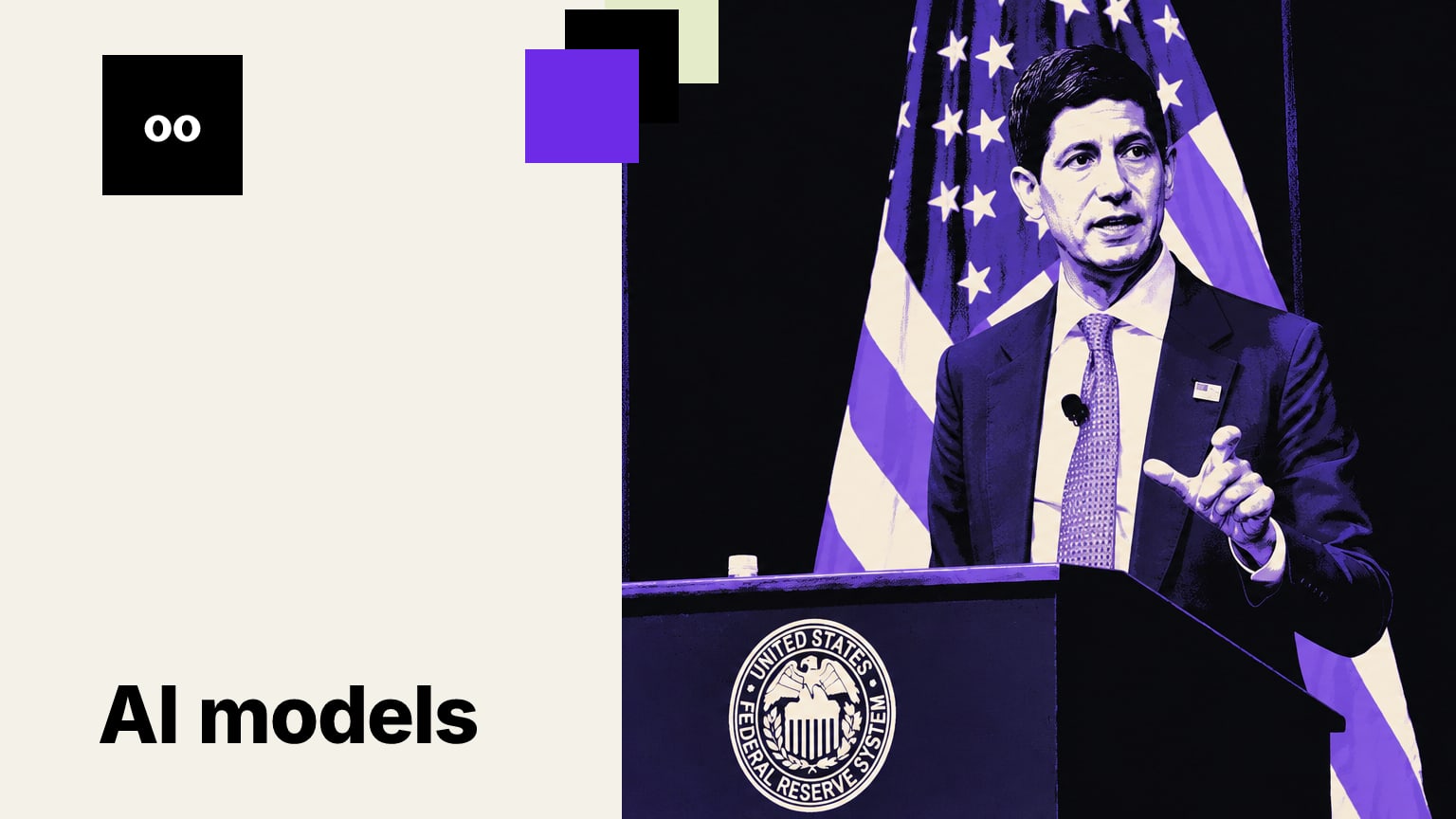
At a San Francisco Federal Reserve conference on Nov. 16, Fed Chairman Kevin Warsh compared AI’s potential economic disruption with the upheaval associated with China’s 2001 entry into the World Trade Organization, according to London Insider. He said white-collar and service workers could face disruption as AI takes on knowledge-based work.
Key takeaways · 4
- 01
Warsh compared AI’s potential disruption with the China shock associated with China joining the WTO in 2001.
- 02
He said white-collar and service workers could face job disruption as AI takes on knowledge-based work.
- 03
Warsh suggested AI could lower service prices, with the article describing a possible longer-term disinflationary effect.
- 04
The task force was expected to deliver a report to the chairman within the next few months.
A conference on technology and the economy
Warsh convened the San Francisco conference to examine AI’s effects on productivity, employment and the economy[1]. The Federal Reserve Board and San Francisco Fed said the event would address the economic impacts of new technologies[2]. The Fed said it had announced five task forces in June to examine areas central to monetary policy[2]. This task force was assessing the economic impact of general-purpose technologies, including super intelligence[2]. The Fed expected the conference to gather a wide range of stakeholder views on technology’s effects on the economy and labor market[2].
The comparison and its stakes
Warsh described the U.S. economy as being at a hinge point[1]. At the conference, he compared AI’s potential disruption with the economic upheaval associated with China joining the WTO in 2001[3]. London Insider said economists estimate that the China shock cost the United States one million manufacturing jobs and 2.4 million jobs overall in the following years[3]. Warsh suggested that AI could disrupt white-collar and service work as it takes on knowledge-based tasks[3]. The comparison raises a question for employers: how might the effects of AI adoption be distributed across roles and workers?
Prices, regulation and adoption
Warsh said AI might lower service prices, comparing that possibility with the China shock’s effect on U.S. goods prices[3]. London Insider said cheaper AI-driven services could have a sustained disinflationary effect and potentially support lower interest rates over the longer term[3]. Andreessen said a free-market economy might experience extremely rapid displacement scenarios[3]. He also argued that regulation in sectors such as health care and education could shield workers from AI replacement[3].
What happens next
The conference agenda included a panel titled “From Pilot to Practice: What Happens When Businesses Adopt SI?”[2]. The San Francisco Fed identified Warsh as a moderator[2]. The conference was scheduled for Nov. 16, 2026, to begin at 9 a.m. Pacific at the Federal Reserve Bank of San Francisco[2]. The Fed said the event would be livestreamed publicly, while in-person attendance would be limited to invited guests[2]. Task force members were expected to deliver a formal report to the chairman within the next few months, before the full Fed board considered its implications[3].
For employers, the warning is a reason to examine which knowledge-based tasks could change and how workers may be affected, without treating possible disruption as a settled outcome. The Fed’s planned report may provide a further basis for assessing how technology could affect the economy and labor market.
Why it matters
AI training for your team
kju.ai is built for teams: daily sessions, team analytics, and rollout support for your organization.
How this developed
23 November 2026
Warsh suggested AI could disrupt jobs at Fed conference