South Korea’s KOSPI rebounds after opening more than 3% lower
South Korea’s KOSPI opened sharply lower as concerns about the returns on AI investment weighed on the semiconductor-heavy market, then reversed course to finish higher.
Key takeaways · 4
- 01
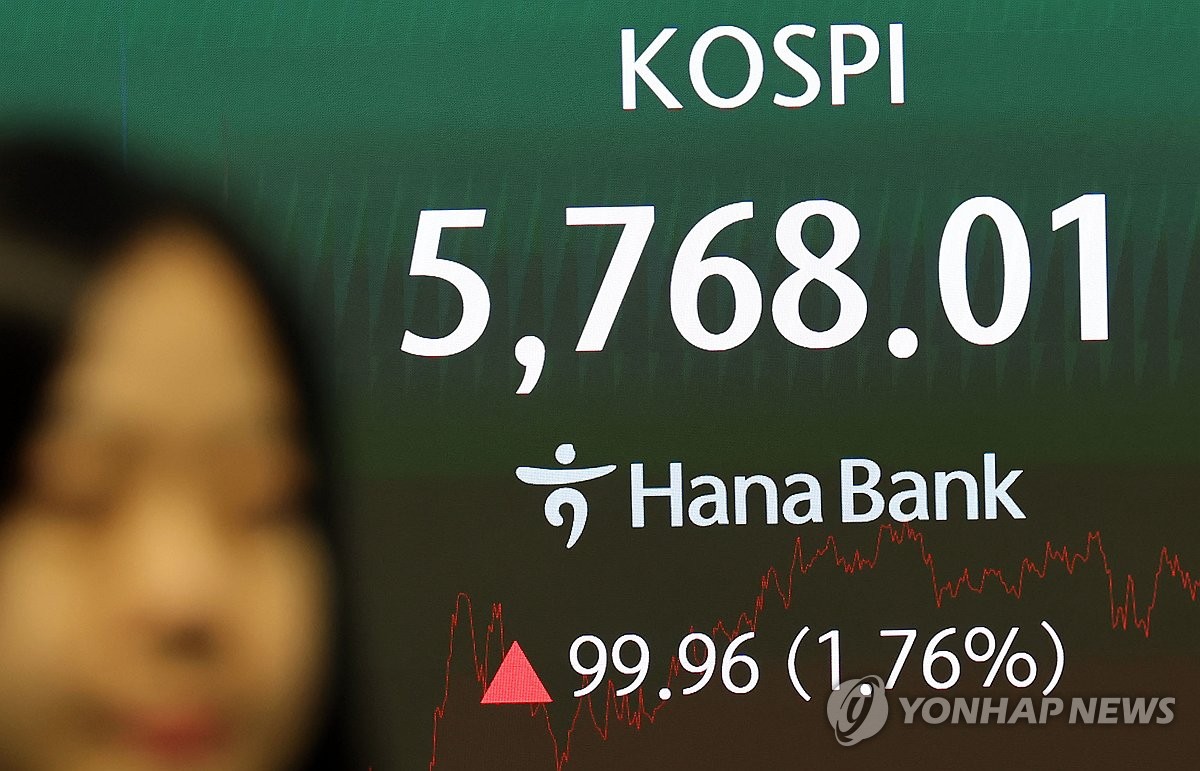
The KOSPI opened 3.17% lower but closed up 99.96 points, or 1.76%, at 5,768.01.
- 02
Institutions bought a net 574.66 billion won in shares, while foreign and retail investors were net sellers over the session.
- 03
Investors were questioning whether heavy AI infrastructure spending would generate sufficient returns.
- 04
Samsung Electronics and SK hynix ended higher after reports said both had dropped more than 4% earlier in the session.
A steep opening drop turned into a gain
The KOSPI opened 3.17% lower and fell to 5,488.41 during the session, after having closed higher the previous Friday.[1][2] It later reversed course, finishing up 99.96 points, or 1.76%, at 5,768.01.[2] YTN reported that the index opened more than 3% lower and fell below 5,500.[1] The reversal means the closing result differed sharply from the early move, an important distinction for readers tracking the market’s daily performance.[1][2]
AI investment returns were in focus
YTN attributed pressure on the Korean market to renewed U.S. concerns about the profitability of AI investment, and said the country’s semiconductor-heavy market was being hit by those concerns.[1] Yonhap reported that investors were weighing whether heavy spending on AI infrastructure would generate sufficient returns.[2] Moneycontrol’s headline linked the chip selloff to concerns about the DeepSeek model and funding.[3] These reports describe investor concerns, not a demonstrated outcome for AI infrastructure returns.[2][3]
Institutional buying supported the rebound
Yonhap attributed the market’s rebound to institutional buying and reported that institutions bought a net 574.66 billion won, or $432 million, in shares.[2] Foreign investors sold a net 37.87 billion won, while retail investors sold a net 1.09 trillion won.[2] YTN reported that foreign and institutional investors were buying and individual investors were selling as of 9:30 a.m.[1] The reports therefore offer different snapshots of investor flows: an early-morning update and full-session net figures.[1][2]
Chip stocks pared losses as investors watched catalysts
Samsung Electronics closed up 1.16% at 218,000 won, and SK hynix rose 0.39% to 1.28 million won.[2] Moneycontrol reported that both stocks had fallen more than 4% before paring losses.[3] The Economic Times said semiconductor shares remained weak while automakers, battery makers and select heavyweight stocks gained.[4] Investors were also cautious ahead of earnings reports due that week from Tesla and Meta Platforms, the November 3 U.S. midterm elections and continued uncertainty about the interest-rate outlook.[2]
For professionals tracking technology exposure, the session shows why an opening selloff and a closing result can tell different stories about market sentiment. The reported rebound does not resolve investors’ underlying question about whether AI infrastructure spending will earn sufficient returns.
Why it matters
Bring this to your team — one session a day, built for your industry.
kju.ai is built for teams: daily sessions, team analytics, and rollout support for your organization.
For teamsHow this developed
23 October 2026
South Korea’s KOSPI rebounds after opening more than 3% lower
Sources
- 코스피, 3%대 하락 출발...미 증시 AI 투자 수익성 우려 탓 | YTNytn.co.kr
- (2nd LD) Seoul shares end higher on institutional buying amid AI investment concerns | Yonhap News Agencyen.yna.co.kr
- Korean stocks fall as DeepSeek model, funding worry rattle chipsmoneycontrol.com
- Global Market: South Korean shares fall as AI investment worries weigh on chipmakers - The Economic Timeseconomictimes.indiatimes.com