Pope Leo says AI decisions affecting life require human oversight
Pope Leo XIV told an AI gathering at the Vatican that decisions affecting human life, freedom and the use of force must remain under informed human oversight. He also called for shared standards, independent oversight and clear accountability for AI decisions.
Key takeaways · 4
- 01
The Vatican meeting took place on October 30, 2026, and was co-organized by the Pontifical Academy for Life and the Future of Life Institute.
- 02
Leo said AI’s future depends on human choices and that people are responsible for guiding, changing or rejecting applications when necessary.
- 03
He called for human oversight of decisions affecting life, freedom and the use of force, along with standards, independent oversight and accountability.
- 04
At a UN review conference scheduled for November 16–20, 2026, states are due to decide whether to open formal negotiations on a legally binding instrument on autonomous weapons.
A meeting focused on responsibility
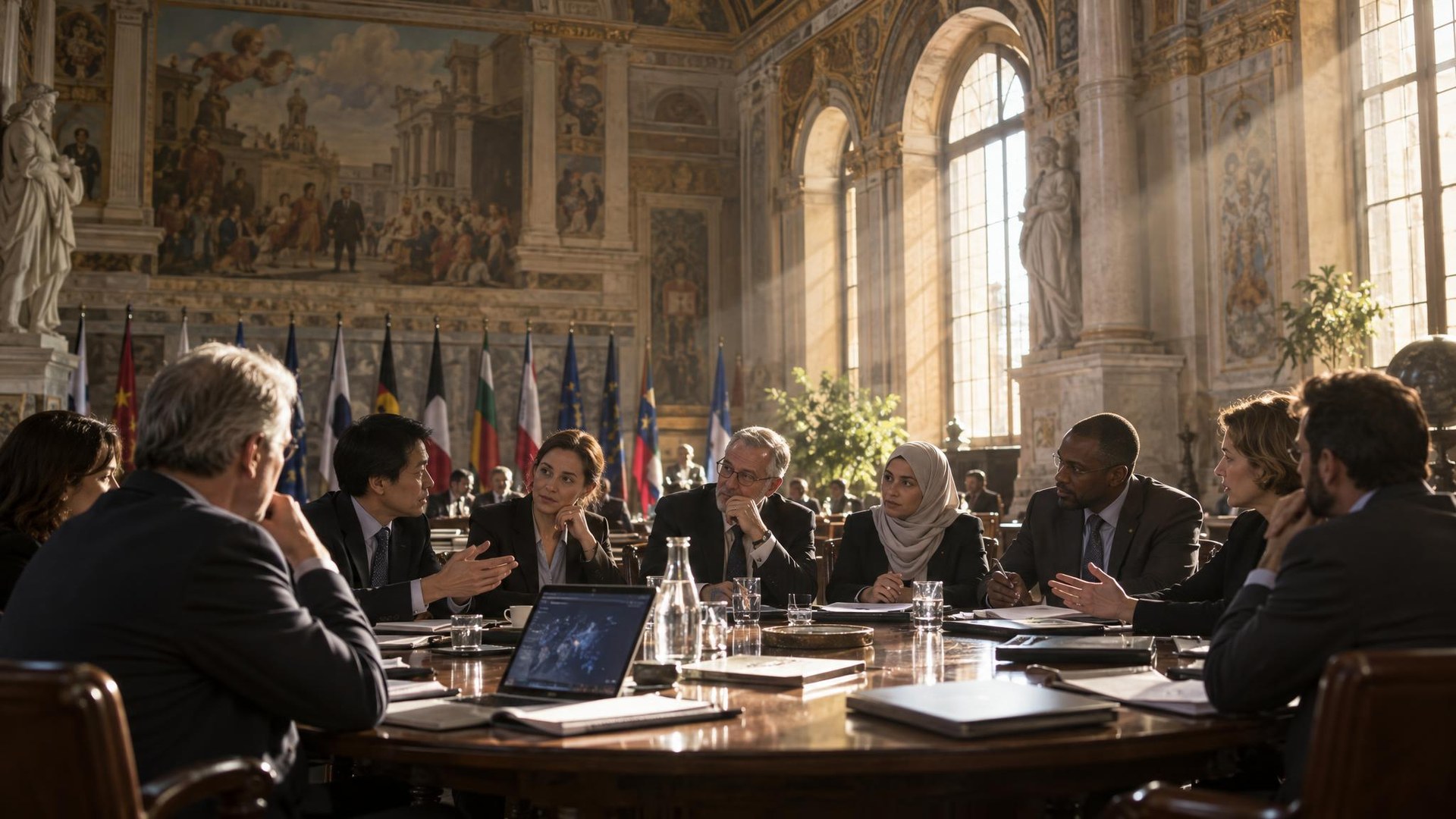
Pope Leo XIV received participants at the Vatican Apostolic Palace on October 30, 2026.[1] The gathering was co-organized by the Pontifical Academy for Life and the Future of Life Institute, and brought international AI researchers and experts together to connect scientific expertise with ethical reflection and institutional responsibility.[2] Leo said he believed participants shared unease about AI’s development, and that while the right direction was recognized, not enough was being done to advance it.[1] He described their work as early results of a transdisciplinary approach to complex challenges.[1]
Purpose over capability
Leo said the central question should be what purpose AI serves, not only what it can do.[1] He argued that a reliable system serving people is more valuable than a powerful system whose consequences cannot be adequately foreseen or controlled.[1] He also said AI’s future is not predetermined and depends on human choices, with people responsible for guiding, changing or rejecting applications when necessary.[1] His remarks put responsibility for AI use on human decision-makers rather than treating technological development as an inevitable course.[1]
Limits and human oversight
“Machines are tools, not persons,” Leo said.[1] He said AI systems do not have experiences or bodies, feel joy or pain, mature through relationships, or know love, work, friendship and responsibility from within.[1] He warned that an approach to AI could obscure human responsibility and leave people harmed by decisions confronting a faceless entity.[1] He also cautioned that placing someone on a target list or in a border-control database risks reducing that person to a data point.[1] Decisions affecting human life, freedom and the use of force, he said, must remain under effective, informed and responsible human oversight.[1]
Standards and a policy decision ahead
Leo called for shared standards, independent oversight and clear accountability mechanisms so AI decisions can be examined, challenged and accompanied by remedies for harm.[1] He said effective international institutions are needed to put ethical principles into practice and safeguard the global common good.[1] His address referred to his encyclical *Magnifica Humanitas*, issued on May 15, 2026.[3] Separately, the UN’s Seventh Review Conference of the Convention on Certain Conventional Weapons is scheduled for November 16–20, 2026, in Geneva; states are due to decide there whether to open formal negotiations on a legally binding instrument on autonomous weapons systems.[4]
For teams building or deploying AI, the address offers a practical test: identify who is accountable for a decision, whether people can challenge it, and whether meaningful human oversight remains. The remarks are especially relevant where AI use could affect people’s lives, freedom or access to public systems.
Why it matters
Bring this to your team — one session a day, built for your industry.
kju.ai is built for teams: daily sessions, team analytics, and rollout support for your organization.
For teamsHow this developed
31 October 2026
Pope Leo says AI decisions affecting life require human oversight
Sources
- Audience with participants in the meeting organized by the Pontifical Academy for Lifepress.vatican.va
- CS-30-10.pdfacademyforlife.va
- Pope Leo XIV Calls to “Disarm” AI, Urges Ban on Lethal Autonomous Weapons – Unite.AIunite.ai
- UN Secretary-General formally convenes Seventh CCW Review Conference for 16–20 November 2026 | Digital Watch Observatorydig.watch