OpenAI’s Sora Launches in Thailand: New Creative AI Video Era Takes Root in Asia
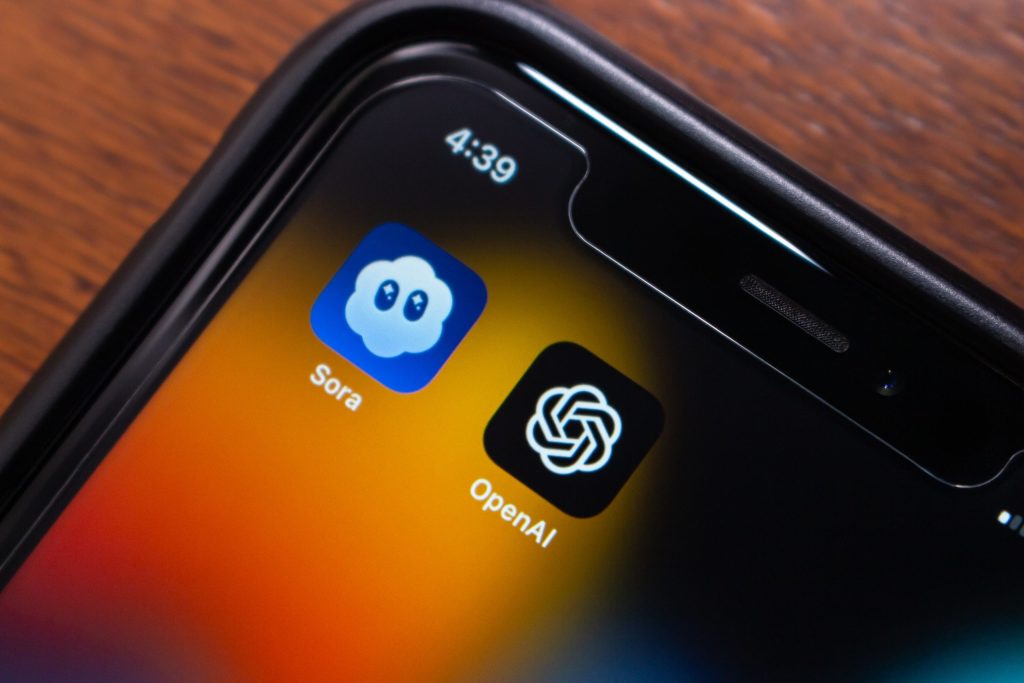
OpenAI has selected Thailand, along with Vietnam and Taiwan, for the Asian rollout of its Sora app, bringing next-generation AI video tools to a dynamic regional creative community. Local creators now gain free access to advanced video generation alongside key safety and customization features.
Key takeaways · 5
- 01
Creators in Thailand can access Sora for free on iOS, with no invite code required and generous usage limits at launch.
- 02
Sora’s Thai language support and custom feeds foster local culture, humor, and unique digital storytelling.
- 03
Safety features include visible and invisible watermarks, parental controls, and strict teen usage guidelines.
- 04
The Character Cameos feature enables users to generate reusable video personas, broadening creative possibilities.
- 05
Usage may convert to invite-only if GPU demand surges, highlighting the challenges in scaling advanced AI applications.
Sora’s Strategic Move into Thailand and Southeast Asia
OpenAI’s decision to debut the Sora app in Thailand, following its initial launches in the United States and Canada, reflects the company’s recognition of the region’s growing influence in the digital creative landscape. Thailand, alongside Vietnam and Taiwan, was chosen for its vibrant base of storytellers, content producers, and digital artists who have shown strong adaptability to new technologies [1][2]. The app’s availability in Southeast Asia underscores both the market potential and the appetite for sophisticated AI-driven media tools within these rapidly digitizing economies.
Within five days of its North American debut, Sora saw over one million downloads—a testament to rising global demand for user-friendly AI video generation [1]. By choosing Thailand as one of the first Asian markets, OpenAI is seizing an opportunity to shape the future of regional digital storytelling. Access to Sora is free on iOS in Thailand, eliminating barriers for early adopters and fostering experimentation among both experienced content creators and aspiring users.
The regional rollout strategy also demonstrates OpenAI’s intent to support localized experiences. The app includes full Thai language support, not only in its UI but also in creative workflows. This localization is critical for fostering deeper engagement and empowering creators to reflect their local identities and humor in video content [1][2]. In doing so, OpenAI is positioning Sora as a catalyst for evolving regional creative norms and practices.
Features Unlocking Local Creativity and Collaboration
Sora’s core appeal lies in its ability to generate short, hyper-realistic video clips driven by text prompts, with additional tools for remixing and collaborative editing. At launch in Thailand, creators can use the app to produce original clips up to 15 seconds, while web-based Pro users access extended functionality—including up to 25-second storyboards [2]. The customizable feed enables users to discover new trends and creators, promoting organic collaboration across Thailand’s creative ecosystem.
A significant innovation is Sora’s Character Cameos, which allows users to insert themselves or custom avatars into generated videos after a brief verification process [1]. Character Cameos tap into the region’s playful digital culture, supporting the creation of recurring personas—from pets and sketches to fantastical figures—that can be reused or shared widely. For launch, a seasonal Halloween starter pack with characters like Dracula, Frankenstein, and Witch acts as both an engagement incentive and a demo of the feature’s versatility.
Sora’s remixing tools also lower barriers to participatory creativity, letting users reinterpret each other's work within a socially-driven framework. This not only democratizes advanced video production but helps surface unique local voices, as Thailand’s diverse stories and humor can be easily shared and remixed throughout the platform [1].
Balancing Creative Freedom with Safety and Ethics
OpenAI has placed responsibility and user safety at the heart of Sora’s Thailand rollout, reflecting lessons learned from previous AI content platforms. To safeguard both creators and audiences, Sora integrates multiple layers of content authentication: every generated video automatically receives both visible and invisible digital watermarks, helping to trace provenance and ensure authenticity [1][2].
Controls for young users are particularly robust. Teenagers face daily limits on video generation and encounter stricter permissions around cameo usage, minimizing risks of misuse or overexposure. Parental controls, accessible through ChatGPT, empower guardians to manage content and communication settings for younger family members [1]. These measures balance access to innovative tools with proactive risk mitigation.
OpenAI’s stated goal is to encourage creativity without promoting endless scrolling or passive consumption. The app’s feed is tuned to emphasize new creative inspirations rather than addictive browsing behavior. By retaining control over the use of user likenesses in Cameos and restricting certain features, OpenAI attempts to foster a safe and empowering creative environment—an area where AI-generated media has often faced criticism [1].
Importantly, OpenAI flagged the technical challenge of scaling Sora in a region with pent-up demand for next-gen creative applications. If GPU capacity is strained, access may switch to an invite-only mode within the first 24–48 hours of launch [2]. This signals both the popularity of advanced AI tools and the resource constraints inherent in serving mass markets.
Ecosystem Integration and a Glimpse at the Future
Sora’s Asian launch is part of a broader effort by OpenAI to embed its generative tools into creator workflows, commerce, and social ecosystems. In parallel, OpenAI has recently introduced new payment integration with PayPal through ChatGPT and rolled out 'Instant Checkout,' enabling direct in-app purchases [1]. Though primarily focused on ChatGPT, these upgrades hint at a trajectory in which AI-powered creative tools and commercial interactions will become increasingly seamless.
While Sora’s current offering is deliberately generous to spur adoption, OpenAI admits that both usage limits and access models may evolve as user numbers grow and GPU workloads increase [2]. The rapid introduction of innovative safety features and localization suggests that future versions could see further customization for additional Asian markets, tailored content moderation, and deeper integration with other AI-based products.
The enthusiastic response from Thailand’s influencer community—epitomized by TV personality Woody Milintachinda’s comments on Sora’s creative potential—offers an early indicator of cultural resonance [1]. As more creators explore Sora, we can expect new forms of collaborative storytelling, viral challenges, and mashups that blend local tradition with cutting-edge technology. OpenAI’s experiment in responsible, localized AI video could set a template for future global rollouts.
The launch of Sora in Southeast Asia marks a significant test for large-scale, culturally-sensitive generative AI deployment outside Western markets. For AI practitioners, it showcases the interplay between technical scaling, localization, integrated safety, and creator adoption—critical pillars for building responsible global AI products.
Why it matters
Test yourself on this story — 3 questions.
Create a free account to take the quiz, earn XP, and get a daily session built for your industry.
Take the quizSources
- Thailand among first in Asia to welcome OpenAI's Sora appmarketech-apac.com
- OpenAI rolls out Sora app in Thailand, Vietnam, Taiwan - Tech in Asiatechinasia.com
- OpenAI’s Sora Demise Fires Warning Shot to Chinese AI Video - Bloombergbloomberg.com
- Alibaba revealed as creator of AI video generation model 'HappyHorse-1.0'cnbc.com
- Google makes it easy to deepfake yourself | The Vergetheverge.com