OpenAI enterprise revenue leads as Brockman discusses IPO readiness
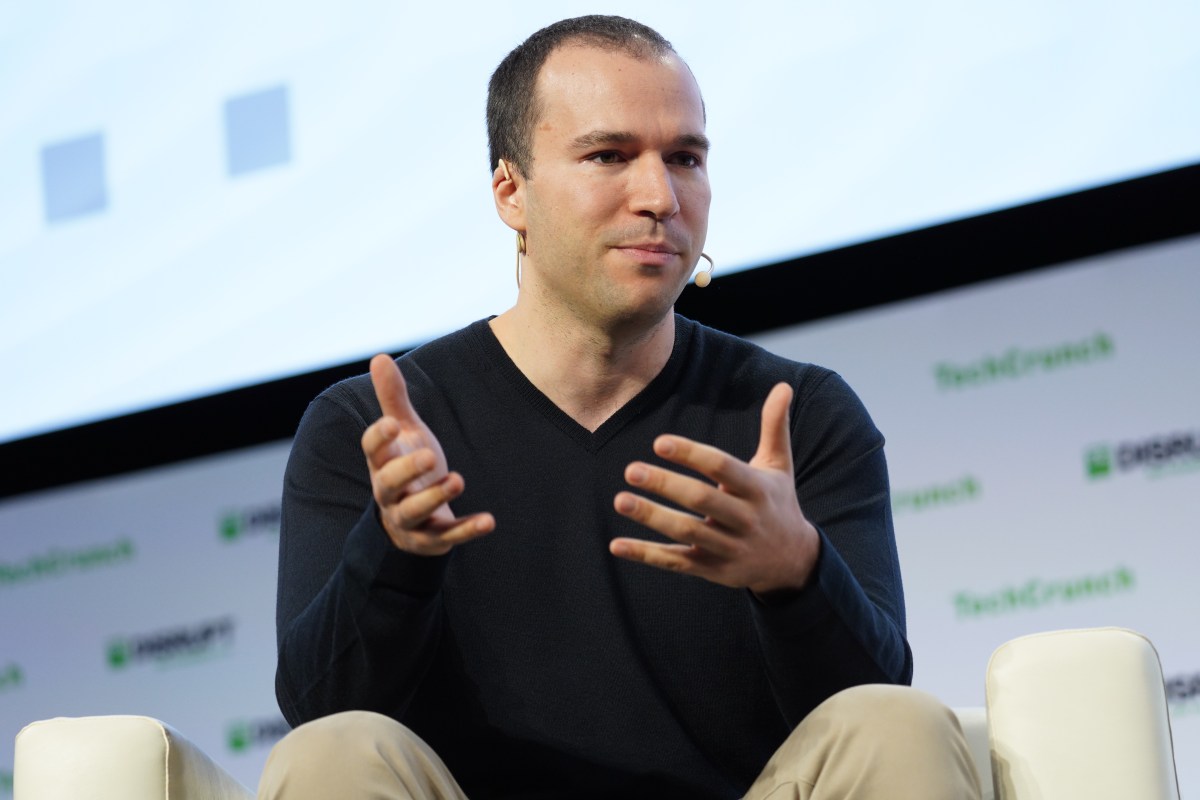
OpenAI co-founder and president Greg Brockman said he thinks the company could be ready for an IPO in 2027, while making clear there is no specific listing date. He also described enterprise as a major growth engine, with TechCrunch reporting that it now accounts for most of OpenAI’s revenue.
Key takeaways · 4
- 01
Treat 2027 as Brockman’s view of IPO readiness, not a confirmed listing date; he gave no specific date.
- 02
Track enterprise growth against its prior share: Brockman said it had been about 30% of total revenue.
- 03
OpenAI’s reported third-quarter revenue growth was attributed to enterprise business doubling.
- 04
For enterprise sales teams, Brockman emphasized identifying valuable milestones, building trust and proving long-term reliability.
IPO readiness is not a timetable
Brockman was speaking on November 4, 2026, in Napa, California, when asked whether OpenAI would be ready for an IPO in 2027.[2][1] His answer was, “I think so. Yes.”[1] He said the company would go public when it felt the timing was right and that he felt extremely good about the business.[1] He did not provide a specific listing date.[3] Separately, The Next Web reported that OpenAI had confidentially filed a draft prospectus with U.S. regulators in June.[3] That filing does not, in the evidence available here, establish a public listing date.
Enterprise is driving reported growth
TechCrunch reported that OpenAI’s enterprise business now accounts for the majority of its revenue; Brockman said enterprise had previously represented about 30% of the total.[1] He described the first and second quarters of 2026 as “pretty rough” for the enterprise trajectory, then attributed third-quarter revenue growth to the enterprise business doubling.[1] Unite.AI reported a different formulation of the current picture: enterprise accounted for more than 40% of revenue and was on track to reach parity with consumer revenue by the end of 2026.[2]
Winning business requires trust
Brockman cited a recent JPMorgan Chase partnership as an example of the enterprise clients OpenAI was winning.[1] He said the company’s enterprise work involves helping businesses identify valuable milestones, building trust and demonstrating that OpenAI can be a reliable long-term partner.[1] For organizations assessing AI vendors, that account points to questions beyond product capability: teams can ask how a provider will define measurable milestones and demonstrate reliability over time. OpenAI is competing with Anthropic for enterprise customers, and Unite.AI described Codex as part of OpenAI’s business-sales push.[2]
Growth indicators extend beyond enterprise
Unite.AI reported that a coding agent’s weekly user base had passed 2 million after expanding fivefold in three months, while activity was growing more than 70% month over month.[2] It also reported that OpenAI was generating $2 billion in revenue per month, with more than 900 million weekly active ChatGPT users and over 50 million subscribers.[2] The Next Web reported that earlier fundraising reports put OpenAI’s effort at $30 billion and its valuation at about $1.4 trillion, and that its investors include Microsoft and SoftBank.[3] These figures add context, but do not establish an IPO date.
Professionals evaluating AI vendors can use the enterprise growth story to sharpen diligence around business outcomes, reliability and long-term support. For finance and leadership teams, Brockman’s IPO comments are a signal to monitor, not a date on which to base planning.
Why it matters
Bring this to your team — one session a day, built for your industry.
kju.ai is built for teams: daily sessions, team analytics, and rollout support for your organization.
For teamsHow this developed
6 November 2026
OpenAI enterprise revenue leads as Brockman discusses IPO readiness