Nvidia joins $110 million Noeri funding round
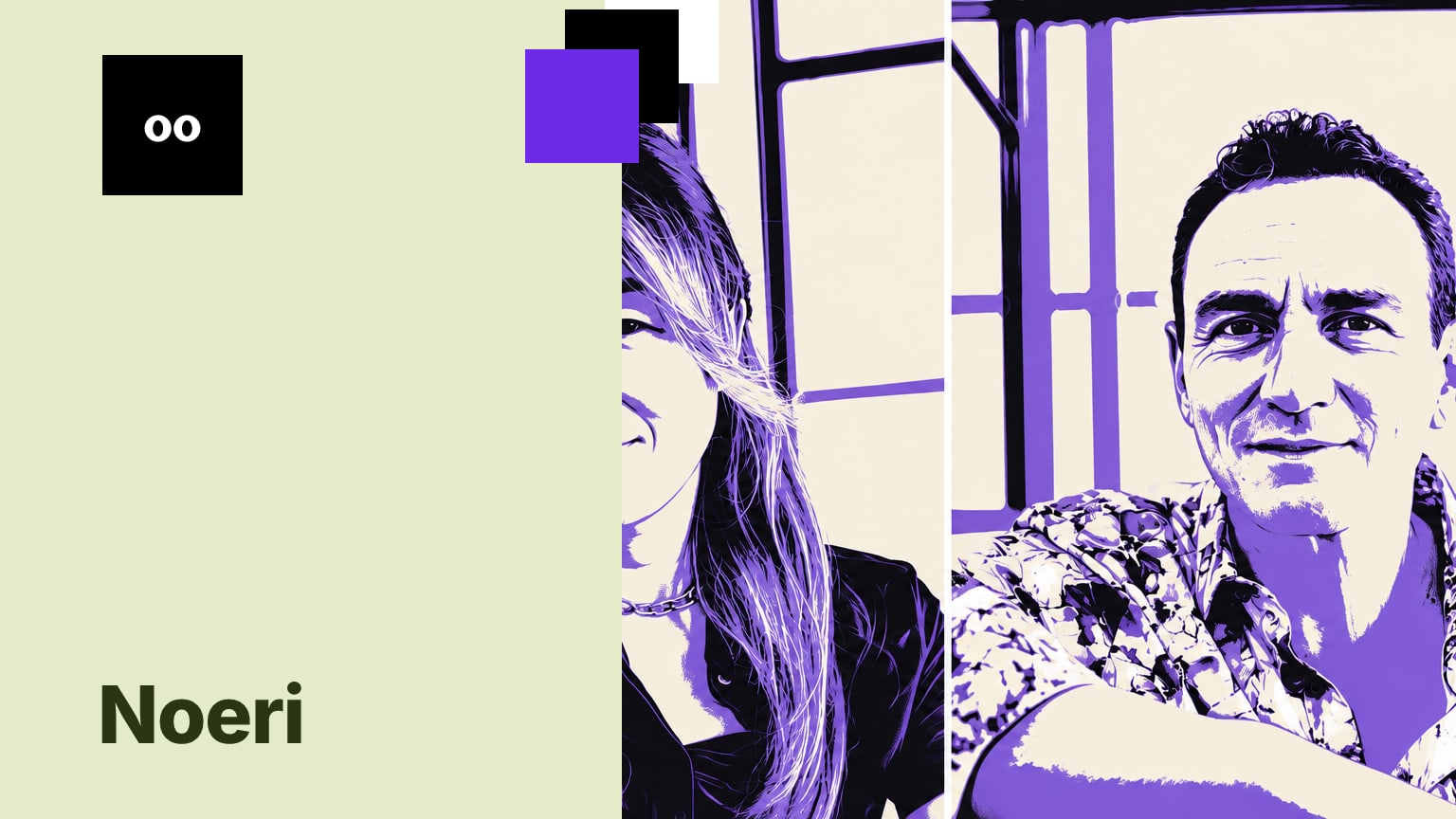
Noeri, a Palo Alto-based AI startup founded by Stanford computer science professors Yejin Choi and Carlos Guestrin, announced $110 million in funding, with NVIDIA participating as a strategic investor. Menlo Ventures led the round.
Key takeaways · 4
- 01
Noeri announced $110 million in funding, led by Menlo Ventures, with NVIDIA investing as a strategic investor.
- 02
Noeri says its system can adjust tools, instructions and model choices for task workflows.
- 03
Noeri says every proposed change is explained and sent to a person for approval.
- 04
Noeri says customers retain ownership of their data, workflows and developed models, subject to third-party model licenses.
Funding and investors
Menlo Ventures led Noeri’s $110 million funding round, and NVIDIA joined as a strategic investor.[1] Madrona Venture Group, Kindred Ventures, Wing Venture Capital and NEA also participated.[1] Noeri was founded by Stanford computer science professors Yejin Choi and Carlos Guestrin, and the company is based in Palo Alto with an office in Zurich.[1] The valuation was not disclosed.[2] For teams assessing the company, the announced amount and investor list are public; the company’s valuation is not.
A system that adapts to tasks
Noeri says its AI learns from an organization’s data and workflows to improve systems around specific tasks.[1] The company says its system can revise tools, skills and instructions, as well as choose which model handles each step.[1] It says the system can also modify models and their underlying parameters when useful.[1] Noeri says the system works with both closed and open-weight models.[1] The company describes an approach that can change more than the model selected for a task; it also says its system can adjust the surrounding workflow and, when useful, the models themselves.[1]
Approval and ownership claims
Noeri says every proposed change is explained and sent to a person for approval.[1] It also says customers retain ownership of their data, workflows and models they develop, subject to third-party model licenses.[1] Those qualifications matter for organizations evaluating how the system could fit into existing processes: the company describes human approval for proposed changes, while ownership of developed models remains subject to the licenses of third-party models.[1] Noeri says its systems are designed to keep learning through interactions and experience on the job.[1]
Scientific work and reported context
Noeri says its systems can form hypotheses, run experiments and learn from results alongside scientists and engineers.[1] The company says its scientific work addresses problems including new molecules, proteins and complex technical systems, and argues that smaller specialized models can make sustained scientific discovery more affordable.[1] GeekWire reported that the founders’ small model learned to use older OpenAI models and outperformed GPT-5 on the team’s research needs.[3] It also reported that a Stanford microbiology and immunology team sought to use OpenAI models more cheaply.[3] These reports describe specific research needs, not a general performance comparison across tasks.[3]
For technical and research leaders, the announcement is a reason to examine how task-specific AI systems might fit their workflows, and what approval and ownership terms they offer. Noeri’s claims about adapting systems and supporting scientific work are company statements; teams can assess them against their own tasks and constraints.
Why it matters
AI training for your team
kju.ai is built for teams: daily sessions, team analytics, and rollout support for your organization.
How this developed
17 November 2026
Nvidia joins $110 million Noeri funding round
Sources
- Noeri, Founded by Leading Stanford AI Professors, Launches with $110 Million to Empower Companies to Build and Own Their AIbusinesswire.com
- Nvidia Backs ‘Genius Grant’ Winner's Push for Cost-Efficient AI - Bloombergbloomberg.com
- Former UW AI researchers Yejin Choi and Carlos Guestrin raise $110M for AI startup Noeri – GeekWiregeekwire.com