Meta reportedly builds humanoid robot prototype linked to Muse
Meta has built a humanoid robot prototype called Max with Shanghai-based manufacturer Fourier Intelligence, according to TechTimes. The reporting describes the work as an effort to give Meta’s Muse AI agent a physical form, while Meta told The Information that its work with Fourier is for internal research and experimentation.
Key takeaways · 4
- 01
TechTimes reports Meta and Fourier built Max in roughly three months.
- 02
A second version of the robot is reportedly in development.
- 03
Meta says the robot work is for internal research and experimentation, not planned sales.
- 04
TechTimes describes Muse as an agent designed to take autonomous actions, rather than a chatbot.
A prototype developed with Fourier
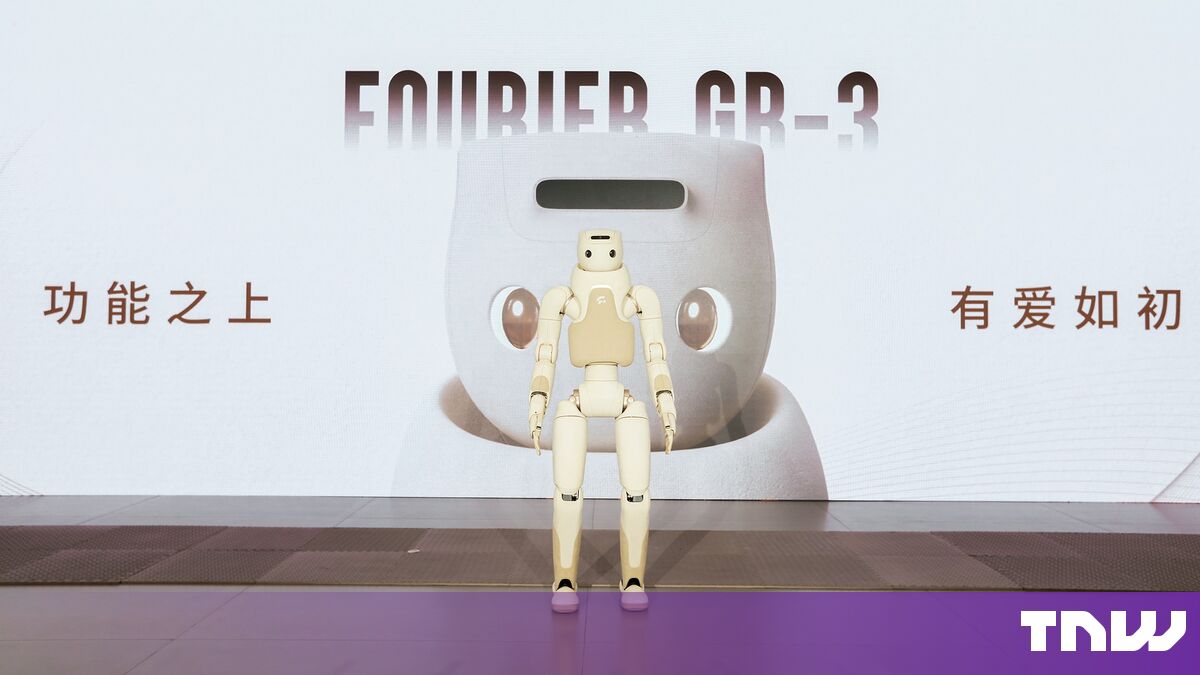
TechTimes reports that Meta’s first humanoid robot prototype is named Max and was developed with Fourier Intelligence, a Shanghai-based manufacturer.[1] The two companies reportedly built the prototype in roughly three months.[1] TechTimes gives Max’s height as approximately 1.5 meters and its weight as around 48 kilograms, or 106 pounds.[1] It also reports that the robot runs on Nvidia’s Jetson Thor chip.[1] These are reported specifications; the evidence does not establish performance in household settings or how much of the work is handled autonomously.
Reported design details
The Information, as reported by The Next Web, says Max has a screen that mimics facial expressions and built-in speakers.[2] The robot is also reported to have five-fingered hands intended for picking up small objects.[2] Those details suggest a design that combines communication features with object handling, but the available reporting does not describe demonstrations, task success rates or safety testing. The reports therefore provide a picture of the prototype’s form, not evidence that it can reliably complete household work.
How Max relates to Muse
TechTimes describes Max as designed to give Meta’s Muse AI agent a body for household tasks.[1] The same outlet says Muse is designed to take autonomous actions for users, including browsing the web, filling out forms and making purchases, and can keep working after its app is closed.[1] TechTimes also says Muse is not a chatbot and reports that it launched on September 8, 2026.[1] The reporting links Muse’s software capabilities to the robot concept, but does not establish that Muse currently controls Max or performs tasks through it.
Research, not a retail launch
Meta told The Information that its work with Fourier is for internal research and experimentation, according to The Next Web.[2] Meta also said it has no plans to sell the robot units.[2] TechTimes reports that Meta has begun work on a second version, while also saying the company has no plans to sell either version.[1] TechTimes argues that Meta’s billions of existing users give Muse a distribution advantage over purpose-built robotics companies.[1] That is a reported assessment of Muse’s potential reach, not evidence of a commercial robotics rollout.
For teams assessing embodied AI, the key distinction is between a reported prototype and a product that can be deployed or purchased. Treat the robot’s reported features as design details, and look for evidence of task performance, safety and a clear link between the agent and the hardware before planning around it.
Why it matters
Bring this to your team — one session a day, built for your industry.
kju.ai is built for teams: daily sessions, team analytics, and rollout support for your organization.
For teamsHow this developed
3 November 2026
Meta reportedly builds humanoid robot prototype linked to Muse