Meta adds custom Spaces to Muse
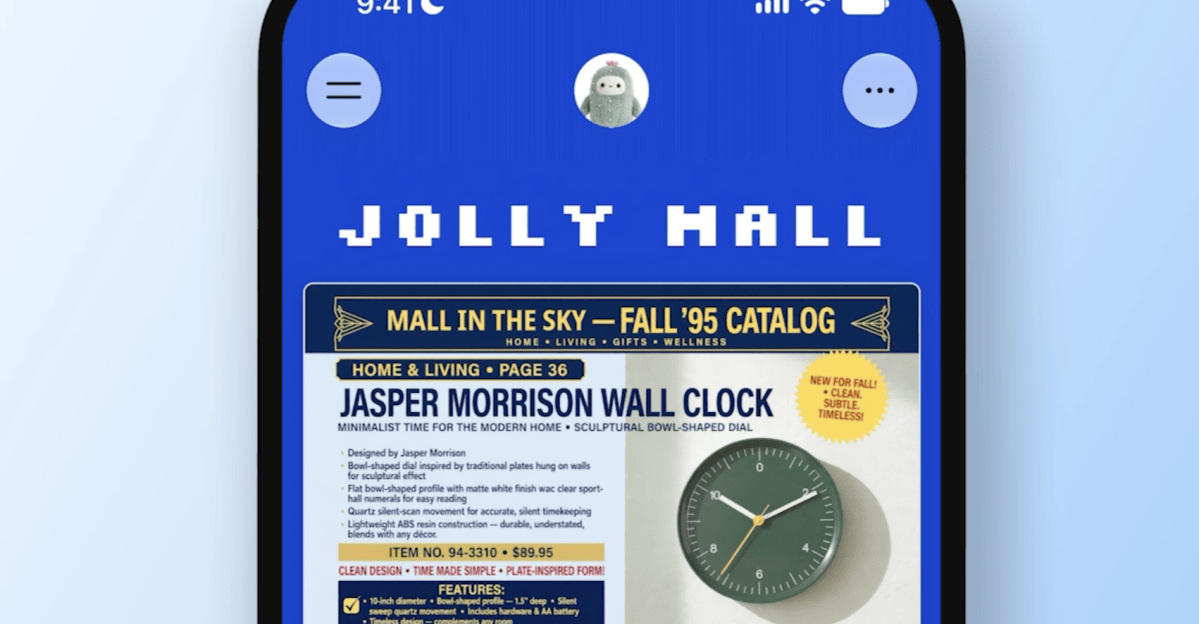
Meta now allows users to build customized, app-like experiences called “spaces” within Muse. The examples include a shopping hub, a school dashboard and a music tracker.
Key takeaways · 4
- 01
Meta says users can build customized experiences inside Muse, which it calls spaces.
- 02
Examples include a shopping hub, a school dashboard and a music tracker.
- 03
TechCrunch reports that Spaces appear in the sidebar of the interface where users interact.
- 04
The Verge’s report was published November 6, 2026; TechCrunch’s report was published the same day.
A customizable layer inside Muse
Meta now lets users create customized experiences inside Muse, and it calls those experiences “spaces.”[1] The Verge describes them as app-like personalized hubs.[1] The announcement establishes that users can build these experiences, but the evidence does not specify how they are configured or whether they can be shared.
Examples point to varied uses
The examples named in the reporting range from a shopping hub to a school dashboard and a music tracker.[1] TechCrunch reports that Spaces live in the sidebar of the interface where users interact.[2] For a team considering a use case, these examples can help prompt ideas, but they do not establish that a particular workflow is supported beyond the ability to create a space.
Reports frame the feature differently
The Verge emphasizes app-like, personalized hubs, while TechCrunch describes Spaces as breakout conversations centered on a particular topic.[1][2] TechCrunch also says Meta refers to Spaces as “custom experiences” and characterizes Muse agents as a new generation of agentic helpers.[2] These descriptions offer different ways to understand the feature, but the evidence does not explain how the conversational framing relates to the examples of hubs and trackers. The Verge’s report was published November 6, 2026, at 6:10 PM UTC; TechCrunch’s report was published that day at 10:44 AM PST.[1][2]
For teams evaluating AI interfaces, Spaces are a reason to consider whether task-specific experiences would be more useful than one general interaction. Treat the examples as prompts, and validate a proposed workflow before building plans around it.
Why it matters
Bring this to your team — one session a day, built for your industry.
kju.ai is built for teams: daily sessions, team analytics, and rollout support for your organization.
For teamsHow this developed
7 November 2026
Meta adds custom Spaces to Muse