Maine Imposes Historic Statewide Moratorium on Large Data Centers
The Maine Legislature has enacted the nation’s first statewide moratorium on new large data centers, a bold policy move intended to address mounting concerns about energy, water, and community impacts as AI-driven infrastructure expands.
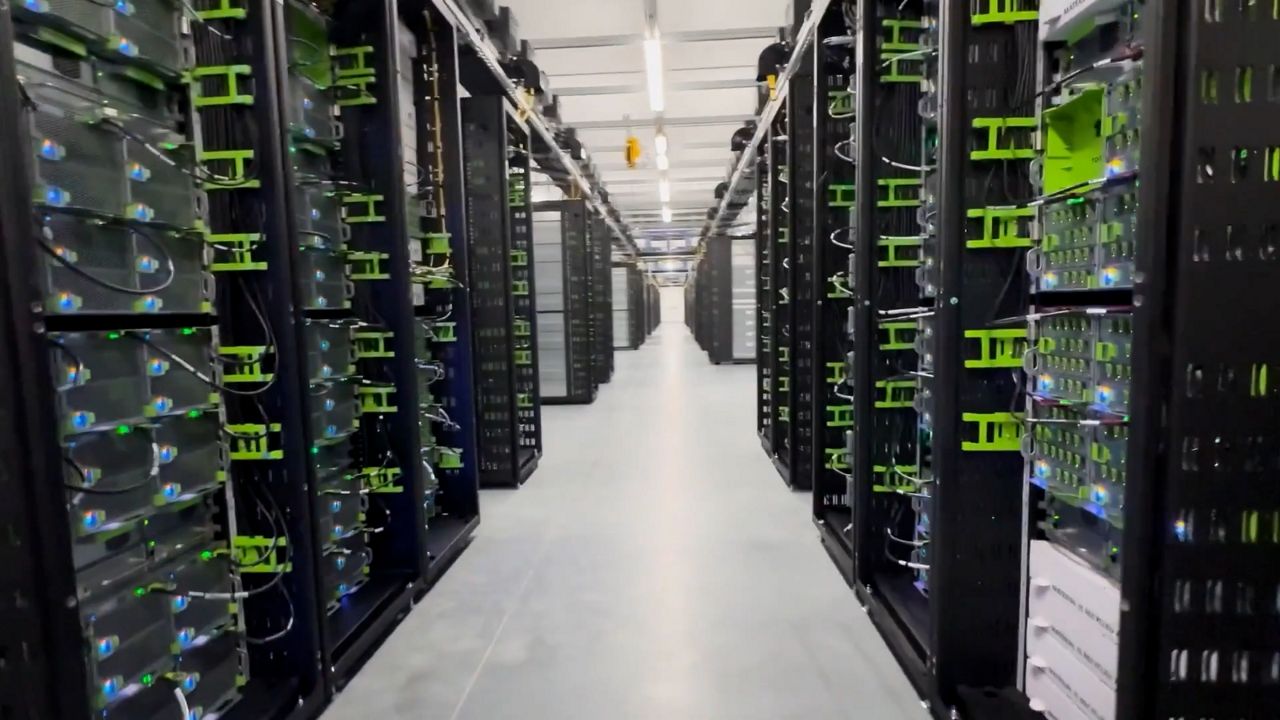
Key takeaways · 4
- 01
Maine’s moratorium targets data centers exceeding 20 megawatts, pausing approvals until late 2027 to better assess industry and public infrastructure impacts.
- 02
This legislation stems from rising public concern over AI-driven facilities’ energy consumption, water use, and effects on local utilities and environment.
- 03
The bill establishes a statewide council to study the economic, grid, and community impacts of large-scale data center development.
- 04
Other states are already considering similar moratoria as debates intensify over how to balance economic growth with sustainable infrastructure.
A Groundbreaking Legislative Move
On April 14, 2026, Maine’s House and Senate voted decisively to pass the country’s first explicit statewide ban on the development of new large-scale data centers, specifically those with a power demand above 20 megawatts. The legislation stipulates that no new projects meeting this threshold can be approved by any municipality or state agency until November 1, 2027. This unprecedented move reflects growing discomfort with the speed and scale of data center expansion—largely propelled by surging demand for artificial intelligence services and their underlying computational power.
Amid this push, Governor Janet Mills has signaled a nuanced stance, expressing a desire to exempt a proposed project in Jay, a former paper mill town impacted by industrial decline. The Legislature, however, did not approve specific carve-outs, indicating a preference for a uniform, statewide halt rather than piecemeal exceptions. Bill sponsor Rep. Melanie Sachs highlighted that the measure arose in direct response to widespread calls for intervention, noting Maine’s need to “respond deliberately and responsibly to a rapidly evolving industry” [1][2].
Why Maine—and Why Now?
Maine’s policy pivot is the culmination of a collision between local anxieties and global tech trends. The rush to build data centers—critical for cloud, AI, and digital services—is triggering widespread local concern nationwide, but especially in smaller states with less robust infrastructure. Residents and community leaders across Maine have increasingly voiced fears about possible rises in electricity prices, overtaxed water supplies, and disruptions to rural environments [1][3].
These apprehensions are not unique to Maine; across the U.S., at least a dozen states with both Republican and Democratic leaderships are actively considering their own moratoriums as public scrutiny intensifies. As facilities powering generative AI sharply increase in number and size, states are seeking ways to manage the potential strain on public utilities and community resilience, as well as the risk of economic winners and losers among municipalities [2][4].
Economic Hopes and Local Pushback
The moratorium debate is not solely about environmental or grid impacts. In Jay, the site of the shuttered Pixelle paper mill, local leaders argued passionately for allowing a new data center to go forward, describing it as a “small scale” project that would bring $550 million in investment, create 800-1,000 construction jobs, and establish 125-150 high-wage jobs over the long term. They contend that advanced data centers could help offset the loss of Maine’s traditional manufacturing base and restore property tax revenues to struggling communities [1][3].
Yet the broader legislative sentiment has been that the risks to the state’s energy stability and ratepayers—particularly from extremely large facilities—require careful, comprehensive study before the industry is permitted to expand further. This sentiment echoes nationwide “techlash” concerns: while the prosperity and jobs promised are attractive, the negative impacts are diffuse, hard to reverse, and tend to fall heaviest on local ratepayers and ecosystems [2][3][4].
A Broader AI Infrastructure Backlash
Maine’s data center ban signals a growing national debate on how to manage the resource footprint of digital infrastructure for AI and cloud. With AI model training and inference processes eating up ever-larger portions of regional grids, local and state governments face unprecedented questions about how to equitably distribute the costs and benefits of such infrastructure. Existing data centers across the country have already faced criticism for disproportionately high water use during cooling and for contributing to increased utility costs for residential customers [1][2][4].
By establishing the Maine Data Center Coordination Council, the state is committing to a period of study and deliberation that other jurisdictions may soon emulate. This council will assess both risks and potential economic benefits, setting the stage for more informed statewide policy after the moratorium lifts. As other states and localities confront similar pressures—and tech industry lobbying intensifies—Maine’s approach is poised to provide a bellwether for the evolving relationship between AI innovation, economic development, and sustainable utilities [2][4][5].
AI-driven digital infrastructure is rapidly reshaping local economies and utilities, but often with unforeseen resource consequences. Maine’s precedent-setting moratorium is likely to influence national standards for AI infrastructure governance, public utility regulation, and the balance between technological innovation and community well-being.
Why it matters
Test yourself on this story — 1 question.
Create a free account to take the quiz, earn XP, and get a daily session built for your industry.
Take the quizSources
- Maine Legislature passes data center moratoriumspectrumlocalnews.com
- Maine lawmakers pass nation’s first statewide ban on large data centersdetroitnews.com
- Maine Legislature passes first in the nation ban on data centersbangordailynews.com
- Maine lawmakers pass the nation’s first statewide ban on large data centers - Anchorage Daily Newsadn-adn-prod.cdn.arcpublishing.com
- Maine lawmakers pass the nation’s first statewide ban on large data centers - Anchorage Daily Newscdn-adn.arcpublishing.com
- Maine set to become first state with data center bancnbc.com
- Maine set to become first state with data center bancnbc.com
- Maine halts data center buildoutcnbc.com