Leo warns AI and automation could put jobs at risk
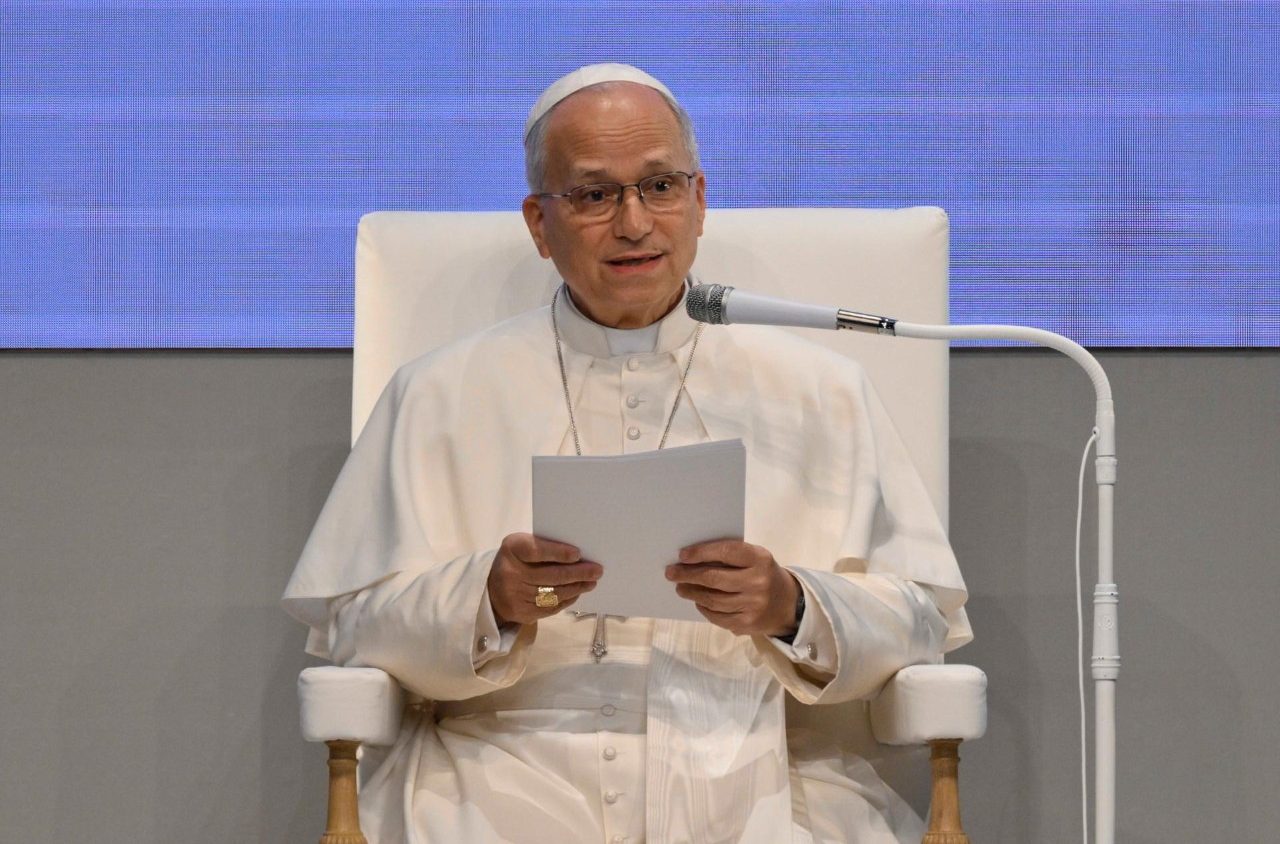
Leo warned that artificial intelligence and deregulated automation could put many jobs at risk and threaten integral human development. He said technology must remain subject to ethics and that public authorities must ensure the risks he described do not occur.
Key takeaways · 4
- 01
Review how AI and automation may affect jobs: Leo warned that both could put many jobs at risk.
- 02
Keep human judgment in the loop: Leo said algorithms cannot replace human discernment or a worker’s value.
- 03
Treat employment access as a policy priority: Leo called for universal access to work and stable policies supporting full employment.
- 04
Assess AI decisions against ethical principles: Leo said technology must always be subject to ethics.
A warning about jobs and human development
In remarks reported by EFE, Leo warned that challenges from AI and deregulated automation could put many jobs at risk.[1] He said those challenges could also threaten integral human development.[1] The concern he described was not limited to the number of jobs: Leo said algorithms cannot replace human discernment or the value of a worker.[1] For employers and public officials considering automation, his remarks point to a question beyond efficiency: how will decisions preserve meaningful human judgment and workers’ ability to contribute?
Ethics and dignity as guardrails
Leo said technology must always be subject to ethics, and that public authorities must ensure the risks he described do not occur.[1] Vatican News reported that he identified human dignity as the first and most fundamental principle of the Church’s social doctrine.[3] He also said that a condition he discussed wounds dignity, deprives people of the chance to contribute to society and plunges them into social exclusion.[2] His framing connects employment and technological choices to dignity and participation, rather than treating them only as economic questions.
Employment as a public-policy priority
Leo said universal access to work should remain a priority for public policy and economic processes.[1] He called for stable public policies that promote full employment and social inclusion within an ethical framework.[1] He also argued that the common good requires overcoming sterile individualism and corporatist utilitarianism.[2] The remarks offer public authorities and business leaders a standard to weigh alongside productivity: consider whether economic and technology decisions support inclusion and access to work.
The meeting and Argentina’s policy backdrop
The Vatican schedule lists the Catholic University of Argentina in Buenos Aires for Monday, 9 November 2026; the meeting brought together workers, business leaders, trade-union members and representatives of popular movements.[2] The papal journey covered Uruguay, Argentina and Peru from 6 to 17 November 2026.[2] EFE reported that Milei and U.S. President Donald Trump were not in favor of regulating AI.[1] Open Magazine reported that Milei’s government was pursuing spending cuts and other economic reforms to curb inflation and restructure Argentina’s economy.[4] EFE also reported Leo’s call for public policies that promote full employment and inclusion.[1]
For professionals making decisions about automation, Leo’s remarks put employment, human judgment and dignity alongside ethical oversight. Teams can use those principles to frame reviews of AI deployments and workforce impacts without assuming that the remarks prescribe a specific regulatory or business model.
Why it matters
Bring this to your team — one session a day, built for your industry.
kju.ai is built for teams: daily sessions, team analytics, and rollout support for your organization.
For teamsHow this developed
10 November 2026
Leo warns AI and automation could put jobs at risk
Sources
- El papa advierte que la inteligencia artificial desregulada puede poner en riesgo los empleosefe.com
- Apostolic Journey to Argentina: Meeting with the world of work at the Argentine Catholic University (Buenos Aires, 9 November 2026)vatican.va
- Pope: Human dignity must always prevail over profit - Vatican Newsvaticannews.va
- Pope Leo XIV Warns Against Unregulated AI Threatening Jobs and Workers' Dignityopenthemagazine.com