GPT-5.4 vs Claude Opus 4.6 vs Gemini 3.1 Pro: Decoding the AI Model Landscape in 2026
In early 2026, the AI frontier is dominated by three flagship models—OpenAI's GPT-5.4, Anthropic's Claude Opus 4.6, and Google's Gemini 3.1 Pro—each delivering powerful, yet distinct capabilities tailored for specific tasks, challenging the notion of a single AI leader.
Key takeaways · 5
- 01
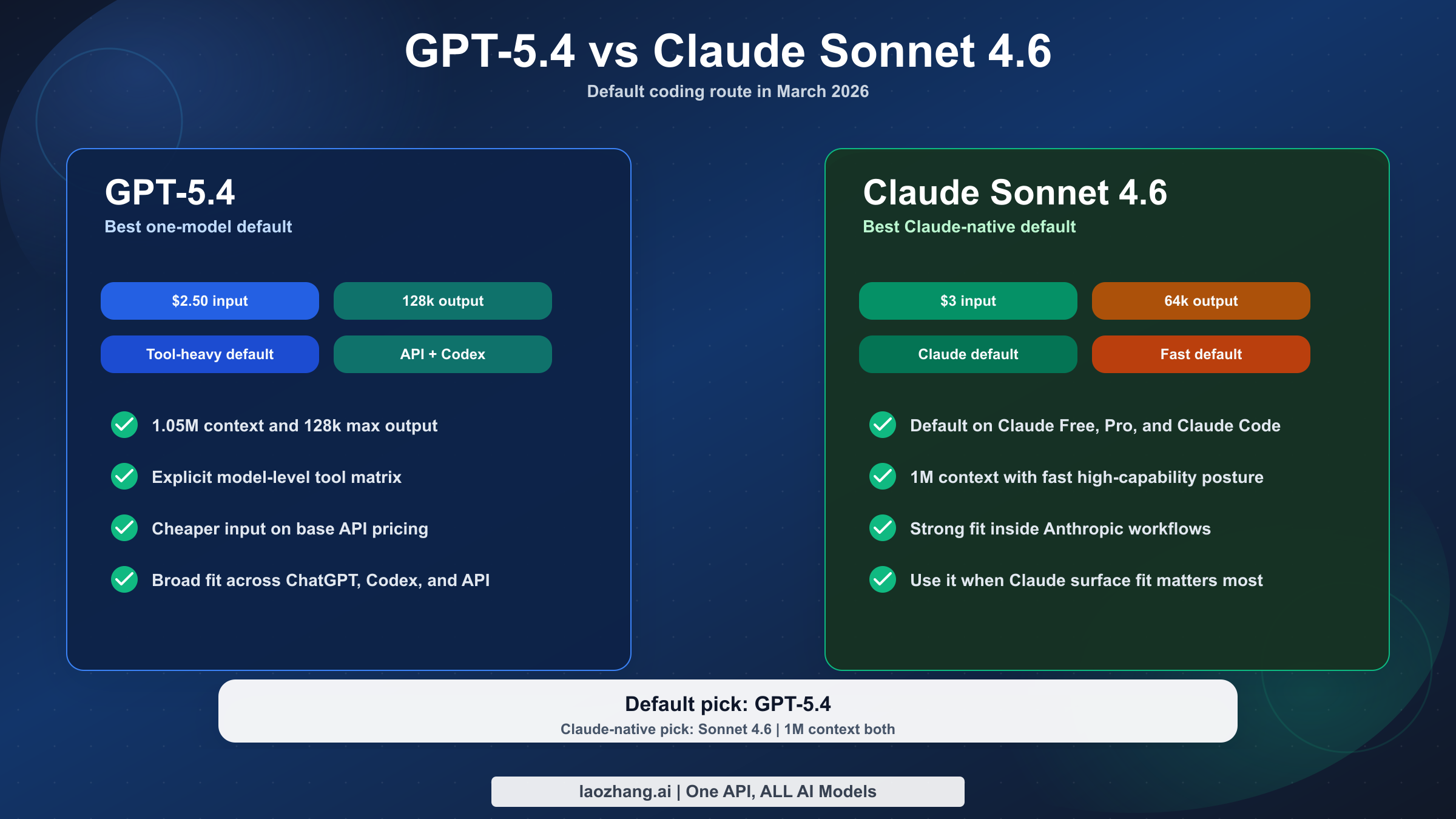
GPT-5.4 is an all-around powerhouse best suited for complex reasoning, professional writing, and integrated agentic tasks with extensive tool support.
- 02
Claude Opus 4.6 offers top-tier coding abilities, excels at multi-file refactoring, faster output speeds, and delivers strong cost-efficiency, making it ideal for developers.
- 03
Gemini 3.1 Pro leads in multimodal tasks including video understanding, document analysis, and benefits from native integration with Google Workspace and real-time search.
- 04
All three flagship models support 1 million or more token context windows, with Gemini pushing to 2M tokens for some tasks, handling extremely long documents.
- 05
Pricing structures differ but are competitive, typically about $2-$3 per million input tokens with variable output token costs; consumer subscription plans cluster around $20/month.
State of AI in 2026
Artificial intelligence now plays a critical role beyond commercial applications, influencing geopolitical dynamics and public sentiment. The ethical concerns, corporate relationships with governments, and AI’s increasing agency shape its societal impact.
Overview of the Three Flagship AI Models
Detailed introductions to GPT-5.4, Claude Opus 4.6 (and Sonnet 4.6), and Gemini 3.1 Pro including release timelines, core strengths, and architectural notes.
Technical Comparison
Comparisons of context window sizes, input/output pricing, speed metrics, multimodal capabilities, benchmark performances, and tool integration support.
Use Case Deep Dives
Analysis of which model excels for specific workflows: coding, professional writing, academic research, conversation, multimodal tasks, and complex reasoning.
With the AI model landscape maturing into a triad of highly capable yet distinct options, understanding their nuanced strengths and limitations equips enterprises, developers, and researchers to strategically select and deploy AI solutions that best fit their unique workflows, ensuring greater productivity, cost efficiency, and innovation potential in 2026 and beyond.
Why it matters
Put this to work — one session a day, built for your industry.
Create a free account for a daily session — eight questions and one real-work challenge, on the news that affects your role.
Start freeSources
- The AI Hype Index: AI goes to warMIT Technology Review
- GPT-5.4 vs Claude Opus 4.6 vs Gemini 2.5aimagicx.com
- GPT-5.4 (Non-reasoning) vs Claude Opus 4.6 (Adaptive ...artificialanalysis.ai
- GPT-5.4 vs Claude Sonnet 4.6 vs Gemini 3.1 Pro: Which AI Model Should You Use in 2026?trensee.com
- Shareuhack | GPT-5.4 vs Claude Opus 4.6 vs Gemini 3.1 Pro: A Practical Decision Guide for 2026shareuhack.com
- Claude Sonnet 4.6 vs GPT-5.4 vs Gemini 3.1 Pro: The Definitive Comparison for March 2026 — LumiChats Bloglumichats.com
- GPT-5.4 vs Claude Sonnet 4.6: Which Should You Use in 2026? - Pricing, context, tools, workflow fit, and benchmark caveats | AI Free APIaifreeapi.com
- GPT-5.4 vs Claude Opus 4.6: Which Flagship Model Wins for Engineering Teams — Contra Collectivecontracollective.com
- Claude Sonnet 4.6 vs GPT-5.4: Which AI Model for Coding ...nxcode.io
- Why GPT-5.4 vs Claude Opus 4.6 matters more than the benchmarks show | How Do I Use AIhowdoiuseai.com
- Claude Sonnet 4.6 vs GPT-5.4: Which AI Model for Coding? (2026) | NxCodenxcode.io
- Anthropic's Claude gains ground amid Pentagon dispute | The Daily Perspectivethedailyperspective.org
- GPT-5.4 vs Claude Opus 4.6: Which AI Model Is Right for Your ...mindstudio.ai