Google open-sources its Elephant-Goldfish Model plugin
Google has open-sourced a plugin designed to put its Elephant-Goldfish Model framework into practice at scale. The company says the plugin was developed internally for its software engineers and is used daily by thousands of employees to ship production code.
Key takeaways · 4
- 01
The plugin is released under the Apache 2.0 license.
- 02
Its workflow separates a context-rich design session from stateless review sessions.
- 03
The project site lists Antigravity as an installation option and says the plugin is not an officially supported Google product.
- 04
Teams can use the implementation-readiness check to look for specific file paths, data structures and function signatures in a specification.
A structured design-to-review workflow
Google describes the plugin as a way to put the Elephant-Goldfish Model into practice at scale[1]. It includes customizable Markdown rules, defined subagent personas and structured review workflows[1]. The plugin automates context transfer between Elephant and Goldfish sessions, validation loops and design-document rendering[1]. Its workflow takes users through three co-design phases[1]. Developers load system context, follow a no-code rule, co-design features, debate trade-offs and challenge assumptions[1].
Design intent stays separate from review
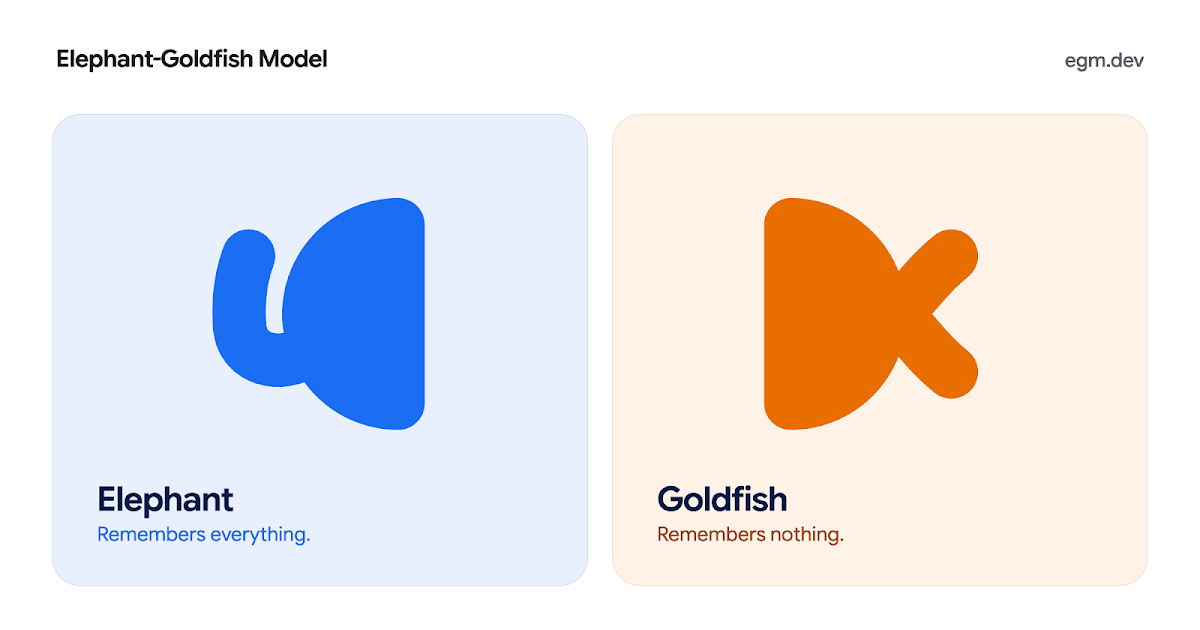
The Elephant is a context-rich, long-horizon session that maintains architectural vision and project memory[1]. Google describes it as a phase dedicated to design and intent, with no code written during that phase[1]. Goldfish sessions are stateless and have zero context, so they can review specifications without sharing the designer’s blind spots[1]. Developers iteratively draft a Markdown design document covering the problem, technical plan, alternatives and specific files to change[1]. Stateless AI instances then probe the design for weaknesses[1].
Validation and implementation boundaries
The plugin automates a three-step validation sequence[1]. If Goldfish cannot accurately summarize the plan, the document is ambiguous and needs further drafting[1]. Multiple skeptical reviewers look for edge cases, hidden dependencies and logical gaps[1]. An implementation-readiness check verifies that file paths, data structures and function signatures are present and unambiguous[1]. Google says the intended workflow leaves architectural decisions with the human, who approves the specification before implementation[2]. After implementation, the project site advises comparing the code with the specification and reporting divergences[2].
Availability and support
The plugin is released under the Apache 2.0 license[1]. The project site lists Antigravity as an installation option[2]. However, it also says the plugin is not an officially supported Google product[2]. Google says the plugin was first developed internally for its software engineers before being open-sourced[1], and that thousands of employees use it every day to ship production code[1]. Those details offer context on its internal use, but the support caveat remains relevant for teams assessing adoption.
The workflow offers teams a way to make design intent, independent review and implementation checks explicit before code is written. Professionals evaluating it should weigh that structure against their own review needs and account for the project site's statement that the plugin is not an officially supported Google product.
Why it matters
Bring this to your team — one session a day, built for your industry.
kju.ai is built for teams: daily sessions, team analytics, and rollout support for your organization.
For teamsHow this developed
8 November 2026
Google open-sources its Elephant-Goldfish Model plugin