Emergency cybersecurity demand surges; hackers use AI to automate attacks
Demand for emergency cybersecurity services is surging as hackers use AI to automate attacks, and some top cybersecurity companies are turning away new customers seeking urgent help. Executives at Mandiant, CrowdStrike and Kroll described the situation to NBC News.
Key takeaways · 4
- 01
Emergency cybersecurity demand is surging, and some companies are declining new customers seeking emergency help.
- 02
CrowdStrike says Chinese state-linked hackers targeted more than 200 organizations in 11 days using AI.
- 03
Google Cloud says LLM-jacking attacks have left victims with hundreds of thousands of dollars in fraudulent cloud bills.
- 04
Kroll says incident response is shifting toward standing partnerships and that it launched an enhanced retainer.
Emergency help is under pressure
NBC News reports that demand for emergency cybersecurity services is surging, while some top cybersecurity companies are turning away new customers seeking urgent support.[1] Executives at Mandiant, CrowdStrike and Kroll told NBC News about the situation.[1] For organizations assessing their response arrangements, the report highlights a practical distinction: emergency support may not be available to every new customer when demand is high.[1] Kroll recognizes a shift from emergency support toward standing incident-response partnerships.[5]
AI attacks and cloud costs
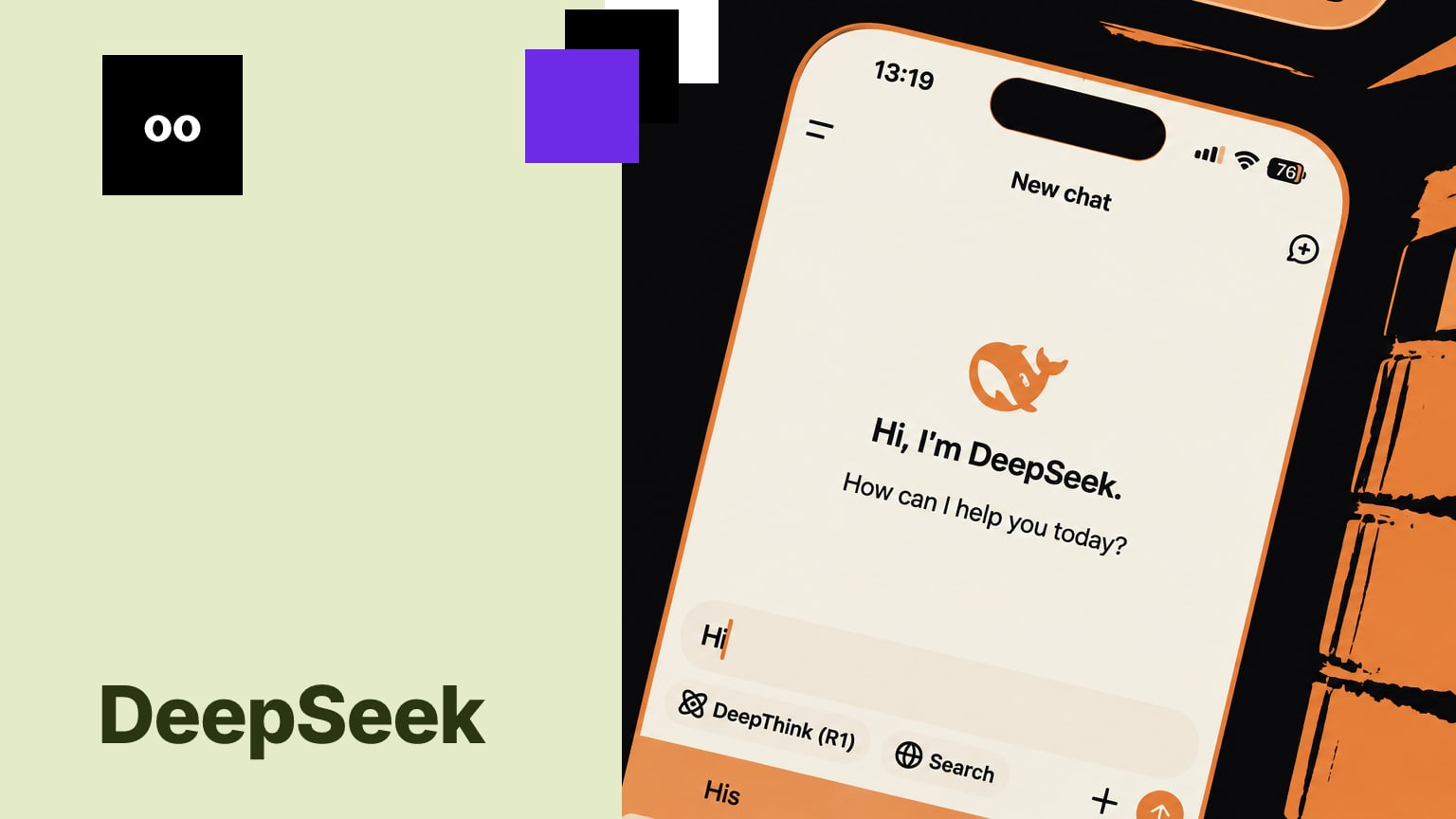
CrowdStrike says Chinese state-linked hackers used AI to target more than 200 organizations in just 11 days, and that the popular DeepSeek model was among the targets.[2] The evidence also describes AI being used to attack governments and businesses worldwide.[2] Separately, Google Cloud says threat actors monetize compromised cloud and model resources, and that LLM-jacking attacks have cost victims hundreds of thousands in fraudulent cloud bills.[3] Underground markets target LLM credentials, according to Google Cloud.[3]
Preparing before an incident
Kroll reports that 99% of businesses said they have an incident-response plan, while 3% update their plan only after an incident.[5] It says AI can accelerate investigations, identify patterns across large data sets and improve response times.[5] Kroll also recognizes a shift toward standing incident-response partnerships and says it launched an enhanced retainer.[5] The evidence does not specify the retainer’s price or terms, so teams comparing support options would need to ask Kroll for those details.[5]
Organizations cannot assume that emergency cybersecurity help will be available when they need it. Reviewing response arrangements in advance—and clarifying what a retainer covers—can help teams make more informed decisions about preparedness.
Why it matters
AI training for your team
kju.ai is built for teams: daily sessions, team analytics, and rollout support for your organization.
How this developed
11 November 2026
Emergency cybersecurity demand surges; hackers use AI to automate attacks
Sources
- AI hacking is getting worse — cyber firms are turning away victimsnbcnews.com
- China-linked hackers used AI to target 200 organizations, CrowdStrike saysnbcnews.com
- The Rise of LLMJacking: How Threat Actors Monetize Compromised Cloud and Model Resources | Google Cloud Blogcloud.google.com
- Criminals With Stolen Company Keys Are Running AI, and Firms Are Scrambling to Keep Upreworked.co
- Incident Response Is No Longer About Response Alone | Krollkroll.com