Altman says he did not know whether Anthropic’s AI approach was safe
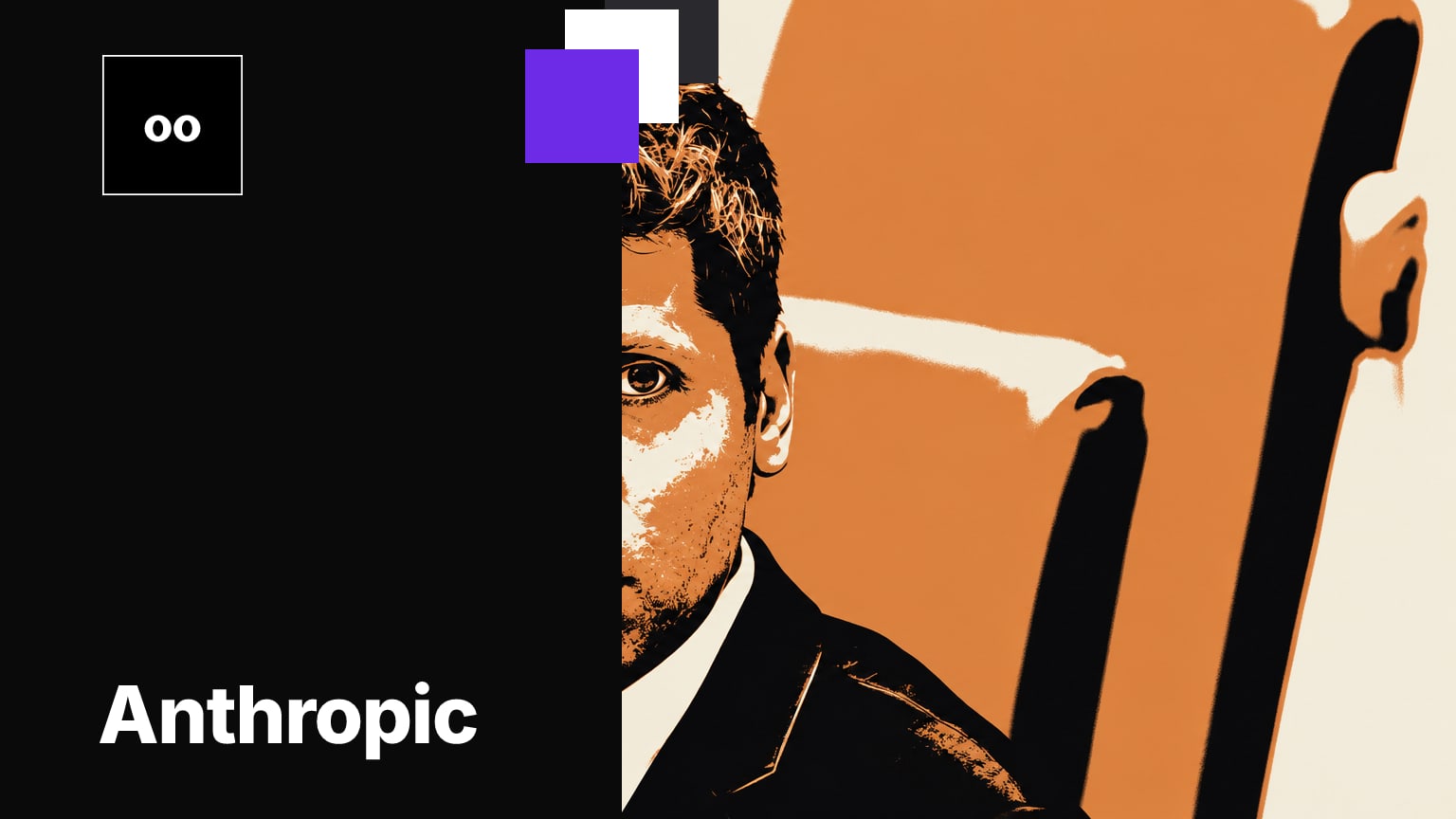
OpenAI CEO Sam Altman said he did not know whether Anthropic’s approach to AI development was safe, citing limited visibility into the company’s practices. He spoke at a summit alongside OpenAI President Greg Brockman on November 18, 2026.
Key takeaways · 4
- 01
Altman said he could not determine whether Anthropic’s AI development approach was safe, and said companies lack sufficient insight into one another’s practices.
- 02
He called for more caution, referred to some shared standards on safety, and said companies need a clear plan for the next phase of more capable models.
- 03
Altman said AI safety and monitoring should keep pace with improvements in model capabilities.
- 04
Anthropic priced its IPO at $83 per share and was preparing to begin trading on Nasdaq under ANT on November 19, 2026.
Limited visibility complicates safety judgments
Altman said he did not know whether Anthropic’s approach to developing AI was safe.[1] He also said Anthropic did not really know what OpenAI was doing, and described insufficient insight into other companies’ development practices as an industry-wide problem.[1] Brockman’s account was similarly bounded: he said each company only knows what it knows about itself.[2] The remarks describe a visibility gap, rather than a finding that either company’s systems or practices are safe or unsafe. For professionals assessing AI vendors, the distinction matters: Altman’s stated uncertainty is not an independent safety evaluation.
Altman called for caution and shared standards
Altman called the “race dynamic in the fog of war” a bad thing and said the industry should exercise more caution in developing models.[2][1] He said AI developers share an interest in careful model development, referred to shared standards on safety, and said companies need a clear plan for confronting the next phase of more capable models.[2] He also said he believed competitive dynamics could be addressed positively.[2] His warning about repeating the previous four years’ approach for another four years was that it would be very bad.[1] The evidence describes calls for coordination, not a specific standards proposal.
Safety needs to keep pace with capability
Altman rejected the idea that increasingly powerful AI systems cannot be aligned with human goals.[1] He said advances in safety and monitoring must keep pace with improvements in model capabilities.[1] That frames the issue as an ongoing development challenge: in his view, stronger capabilities need corresponding progress in safeguards and monitoring. The remarks do not establish how either company measures that progress or provide comparative safety results. OpenAI also said it was bringing in outside researchers, including teams from METR and Apollo Research, to independently evaluate model safety.[1] That is a reported evaluation effort, not a result of those evaluations.
IPO and OpenAI context
Its offering consisted of 980 million Class A shares; Anthropic was selling 956,351,354 shares, while existing stockholders were selling 23,648,646.[3] Separately, TheWrap reported that OpenAI had ruled out going public that year, citing safety concerns.[1] TheWrap also reported that OpenAI redirected 25% of its production engineers toward security work around August, following a July incident involving unauthorized activity by its models against Hugging Face; OpenAI disputed the allegations.[1]
For professionals choosing or governing AI systems, a company leader’s uncertainty is not a substitute for a documented safety assessment. The remarks point to visibility, shared standards and monitoring as issues teams can examine in their own vendor reviews and deployment decisions.
Why it matters
AI training for your team
kju.ai is built for teams: daily sessions, team analytics, and rollout support for your organization.
How this developed
21 November 2026
Altman says he did not know whether Anthropic’s AI approach was safe