Radiology leads FDA-cleared medical AI adoption despite early displacement predictions
While early predictions suggested AI would replace human radiologists, the field is instead experiencing steady growth and leading the medical sector in artificial intelligence integration.
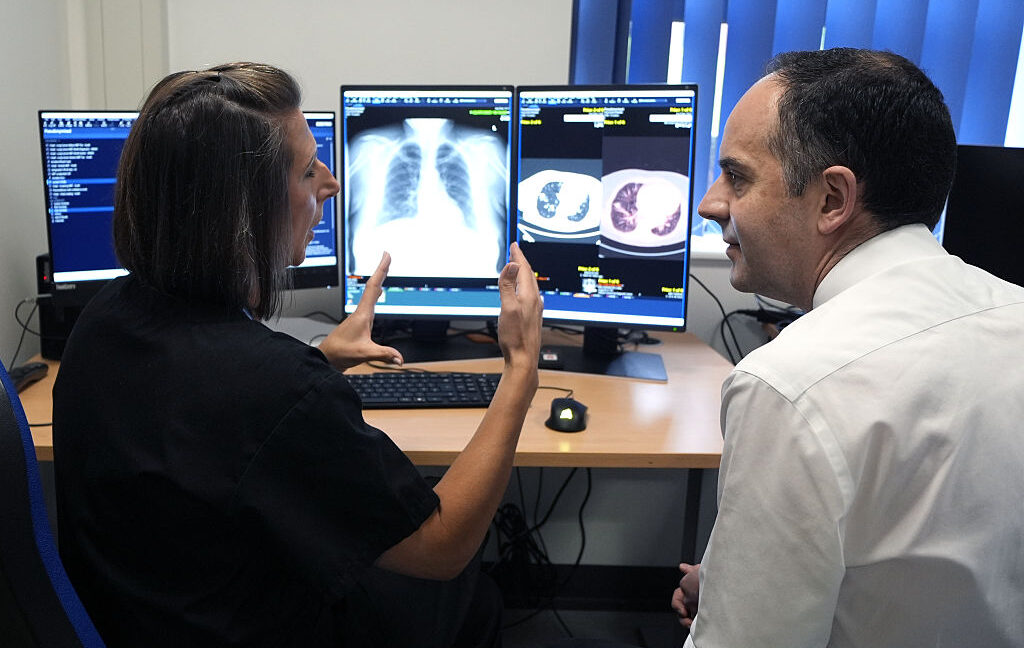
Key takeaways · 3
- 01
The number of radiology practitioners is expected to expand by 26 percent or more over the next three decades.
- 02
About 75 percent of the 1,400 FDA-cleared AI medical devices as of early 2026 were for radiology.
- 03
AI tools can address human error rates in diagnostic imaging, which account for about 40 million errors worldwide annually.
Growth and Integration
In 2016, Geoffrey Hinton predicted that computers would replace radiologists within five years. [1]
Instead, the number of practitioners is expected to expand by 26 percent or more over the next three decades. [1] Radiology is currently the primary area in medicine for AI, serving as an indicator for the adoption of expert decision-making systems. [1] As of early 2026, about three-quarters of the 1,400 AI-enabled medical devices cleared by the Food and Drug Administration were for radiology. [1]
Enhancing Diagnostic Performance
AI tools assist physicians by drafting reports and alerting them to images requiring urgent attention. [1] Certain AI systems can identify abnormalities that are not visible to the human eye. [1] An analysis of 43 clinical trials found that AI-assisted colonoscopies reveal more polyps than conventional procedures. [1]
Improving diagnostic accuracy addresses human error rates in imaging, which are estimated at 3 to 5 percent and account for approximately 40 million errors worldwide annually. [1]
What it means
AI is functioning as an augmentation tool rather than a replacement mechanism in diagnostic imaging. The concentration of FDA approvals in this sector highlights its maturity compared to other medical disciplines. By addressing baseline human error rates, these systems demonstrate how silicon-based tools can enhance standard clinical workflows without displacing the human workforce. The 2016 prediction by Geoffrey Hinton serves as a cautionary tale for overestimating the speed of total automation in specialized professions. What the sources don't address: How the cost of implementing these AI-enabled medical devices impacts overall healthcare spending and patient billing.
AI integration in radiology provides a template for human-machine collaboration in professional workflows. Rather than displacing workers, AI systems are addressing baseline error rates while the profession continues to expand.
Why it matters
Turn this story into practical AI skill after launch.
Get the release link for daily sessions built around your role and industry.
Join the waitlistHow this developed
25 August 2026
Radiology leads FDA-cleared medical AI adoption despite early displacement predictions
25 August 2026
Event created from source cluster.