Adcock responds to Musk’s robot criticism with an apple-picking clip
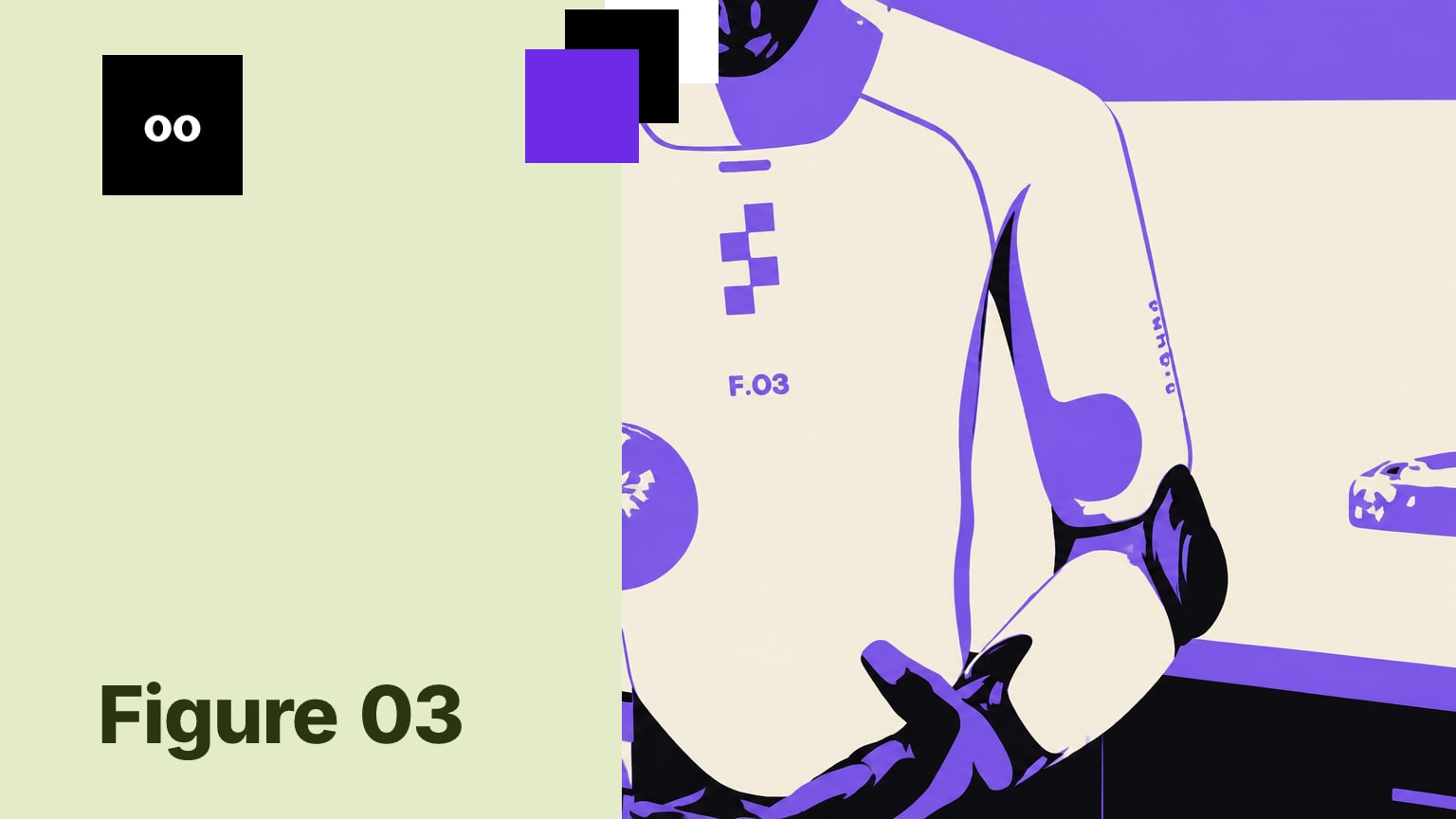
Adcock shared a video of Figure 03 retrieving an apple after a table was moved, responding to Elon Musk’s criticism of humanoid-robot demonstrations.
Key takeaways · 4
- 01
Adcock shared the clip on November 23 in response to Musk’s apple-picking example.
- 02
The 41-second video shows Figure 03 retrieving an apple after the table is moved.
- 03
Figure says Helix handles perception, movement and reasoning onboard and in real time.
- 04
Separate Helix 2.5 trials completed 237 of 420 tasks in 30 homes the system had not seen before.
The exchange began with Musk’s criticism
At the TomorrowX Summit on November 18, Elon Musk expressed skepticism about humanoid-robot development.[1] He said most demonstrations to date had been staged and relied on preprogrammed movements.[1] Musk used apple picking as an example, arguing that moving the table would be enough to throw a robot off.[1] Adcock shared his response video on November 23 and explicitly addressed that example.[2] The exchange puts the clip in the context of a challenge about how robots handle changes to a task setup, rather than a standalone product announcement.[1][2]
What Figure 03 does in the clip
The 41-second video shows Figure 03 retrieving an apple after someone moves the table beneath it.[2] The robot places the apple back on the table, then retrieves it again from its new position.[2] Before the second request, the person moves the table away from its original position.[2] Figure 03 approaches the relocated table and picks up the apple.[2] Adcock described the demonstration as “zero shot and fully autonomous,” and said Figure 03 was running Figure’s Helix system.[2] Those are Adcock’s descriptions of the clip.[2]
What “zero shot” means here
In Figure’s usage, “zero shot” means the robot was not trained on the specific scene or object shown.[3] It does not mean the tasks underlying the demonstration were entirely unfamiliar to the system.[2] Figure describes Helix as a generalist humanoid vision-language-action model that learns and improves as it acquires new skills.[4] The company says Helix controls perception, movement and reasoning onboard and in real time.[4] This distinction matters when interpreting the clip: the stated definition concerns the particular scene or object, not whether the robot had never encountered the kinds of tasks involved.[3][2]
The clip is not the broader test
Musk’s broader challenge of handling arbitrary tasks involving unfamiliar things is a higher bar than the apple demonstration.[3] In separate tests, Helix 2.5 completed 237 of 420 trials, or about 56 percent, across bed making, towel folding and toy tidying in 30 homes it had not seen before.[3] Those results concern different tasks from the apple clip.[2][3] Reactions to Adcock’s response were mixed: some X users praised Figure’s progress, while others questioned the demonstration.[1] Some commenters asked how many attempts it took and whether the robot was operating autonomously; some also wanted to see how it would respond if the apple fell or rolled away.[1]
For professionals assessing humanoid robots, the clip is a prompt to separate a compelling demonstration from evidence about performance across varied tasks. Compare the specific task, test conditions and reported results before drawing conclusions about a system’s readiness.
Why it matters
AI training for your team
kju.ai is built for teams: daily sessions, team analytics, and rollout support for your organization.
How this developed
26 November 2026
Adcock responds to Musk’s robot criticism with an apple-picking clip
Sources
- Figure AI: Tesla rival counters Elon Musk’s robot criticism with an apple - Notebookcheck Newsnotebookcheck.net
- Figure 03 robot passes Elon Musk's apple test, adapts when table movedinterestingengineering.com
- Adcock Answers Musk's Apple Challenge With a Figure 03 Clip | Humanoids Dailyhumanoidsdaily.com
- Helix | Figurefigure.ai